
When it comes to heavy construction equipment, trackhoe tracks play a crucial role in performance, stability, and efficiency. Whether you’re operating an excavator on muddy construction sites, rocky terrain, or demolition areas, the condition and type of tracks directly affect productivity and machine lifespan.
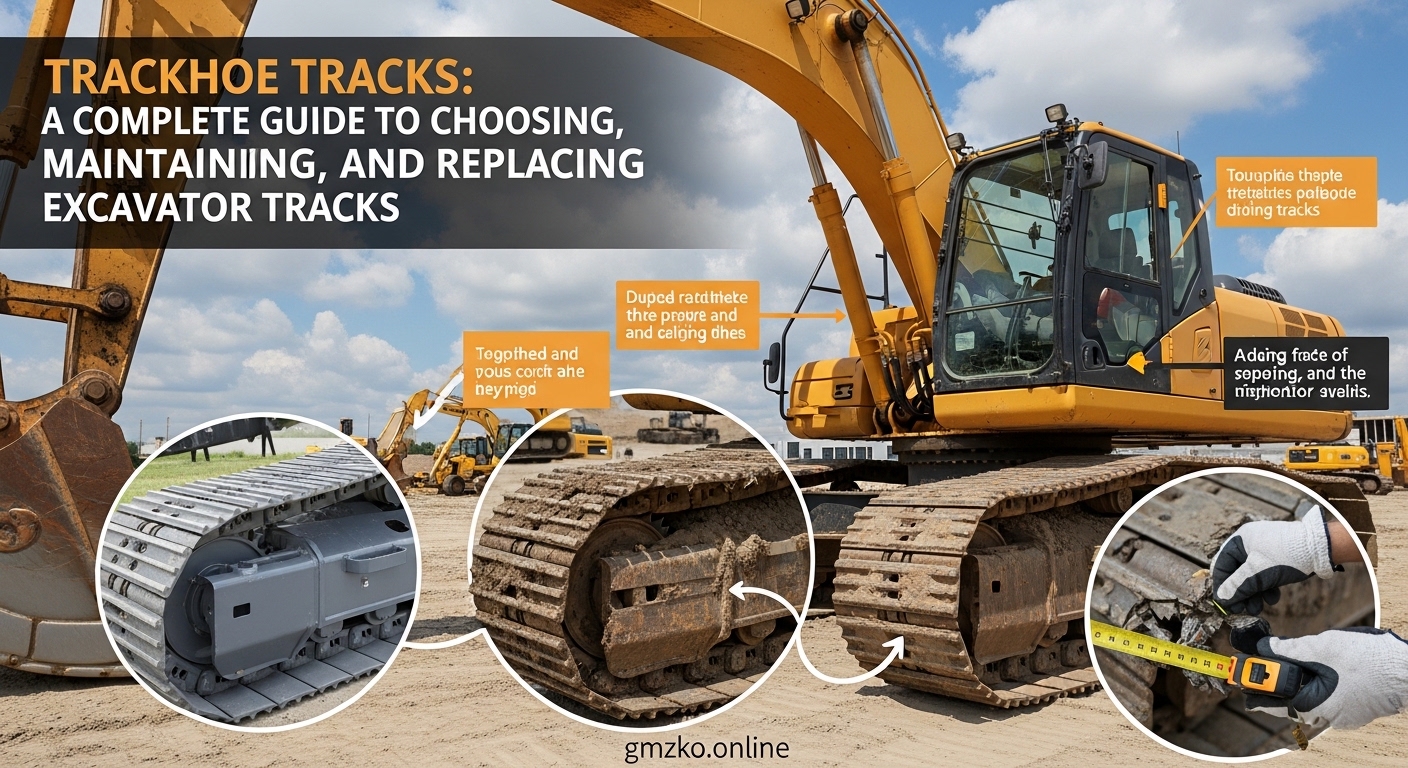
Trackhoe tracks are specifically designed to distribute weight evenly and provide traction where wheeled machines would struggle. However, choosing the right type of track and maintaining it properly can significantly reduce downtime, lower repair costs, and improve job-site safety.
In this guide, you’ll learn everything you need to know about excavator tracks, including the different types available, how to select the best option, maintenance best practices, and when replacement becomes necessary.
What Are Trackhoe Tracks?
Trackhoe tracks are the continuous track systems installed on excavators (often called trackhoes) that allow the machine to move efficiently across challenging terrain.
Unlike traditional tires, tracks provide:
-
Better weight distribution
-
Improved traction on soft ground
-
Increased machine stability
-
Reduced ground pressure
These advantages make trackhoes essential equipment for industries such as:
-
Construction
-
Mining
-
Road building
-
Forestry
-
Land clearing
-
Infrastructure development
Modern track systems are engineered for durability and can withstand extreme working conditions.
Types of Trackhoe Tracks
Choosing the right track type is critical for maximizing efficiency and reducing operating costs. There are two main types used in heavy machinery.
1. Steel Tracks
Steel tracks are the most common choice for large excavators and heavy-duty operations.
Advantages:
-
Extremely durable
-
Ideal for rocky or abrasive surfaces
-
Long service life
-
High load capacity
Best used for:
-
Mining operations
-
Demolition projects
-
Large construction sites
-
Quarry environments
However, steel tracks can cause damage to paved surfaces and may require additional maintenance.
2. Rubber Tracks
Rubber tracks are often used on mini excavators and compact trackhoes.
Advantages:
-
Lower ground damage
-
Quieter operation
-
Smoother ride
-
Better for residential construction areas
Best used for:
-
Landscaping projects
-
Urban construction
-
Roadside work
-
Utility installations
Although rubber tracks are more surface-friendly, they generally have a shorter lifespan than steel tracks in extremely harsh conditions.
Key Components of a Trackhoe Track System
Understanding the main components of a track system helps operators identify problems early and maintain optimal performance.
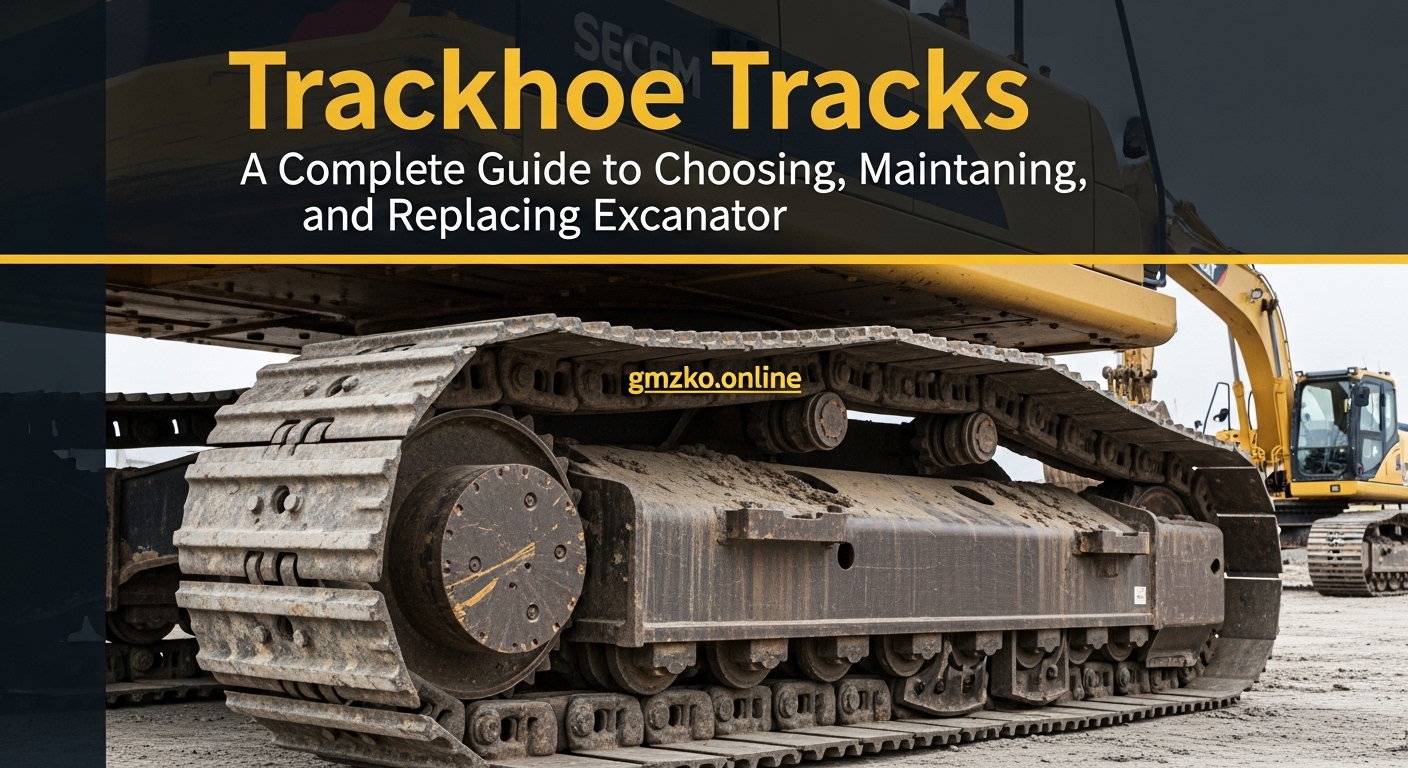
Track Chain
The track chain connects all the track links together and forms the continuous loop that moves the machine.
Track Pads (Grousers)
These are the plates attached to the chain that provide traction on the ground.
Rollers
Rollers support the machine’s weight and help guide the track smoothly.
Idlers
Idlers maintain track alignment and help keep proper tension.
Sprockets
Sprockets engage with the track chain and drive the track movement.
All of these components must work together properly to ensure smooth operation and prevent premature wear.
How to Choose the Right Trackhoe Tracks
Selecting the correct track type involves considering several important factors.
1. Terrain Conditions
Different environments require different track designs.
Examples:
-
Soft soil or mud: wide tracks for lower ground pressure
-
Rocky terrain: heavy-duty steel tracks
-
Urban sites: rubber tracks to avoid surface damage
2. Machine Size and Weight
Larger excavators require stronger and thicker track systems to handle heavier loads.
3. Job Frequency
Contractors who operate machines daily should invest in premium heavy equipment tracks that offer longer service life.
4. Cost vs Longevity
Cheap tracks may seem attractive initially but often wear faster and increase maintenance costs over time.
Trackhoe Track Maintenance Tips
Proper maintenance can extend the lifespan of tracks and prevent costly downtime.
Inspect Tracks Daily
Operators should look for:
-
Cracks
-
Loose bolts
-
Broken track pads
-
Abnormal wear patterns
Early detection prevents small issues from becoming expensive repairs.
Maintain Proper Track Tension
Incorrect track tension is one of the most common causes of premature wear.
-
Too tight: increases stress on components
-
Too loose: causes track slipping or derailment
Manufacturers usually provide recommended tension specifications.
Keep Tracks Clean
Mud, debris, and rocks trapped inside the track system can accelerate wear.
Regular cleaning helps protect:
-
Rollers
-
Idlers
-
Sprockets
-
Track links
Rotate the Machine When Turning
Sharp pivot turns increase stress on tracks. Operators should make gradual turns whenever possible to reduce damage.
Signs Your Trackhoe Tracks Need Replacement
Even with excellent maintenance, tracks eventually wear out.
Here are common warning signs:
-
Excessive vibration during operation
-
Uneven track wear
-
Visible cracks or broken track links
-
Tracks slipping off frequently
-
Reduced traction on job sites
Replacing worn tracks quickly prevents further damage to expensive components such as rollers and sprockets.
Trackhoe Track Replacement Cost
The cost of replacing trackhoe tracks varies depending on machine size and track type.
Estimated ranges:
-
Mini excavator rubber tracks: $800 – $2,500 per set
-
Medium excavator steel tracks: $3,000 – $8,000
-
Large excavator heavy-duty tracks: $10,000 or more
Factors affecting cost include:
-
Track material
-
Machine size
-
Brand compatibility
-
Installation labor
-
Track technology
Investing in high-quality heavy equipment tracks can reduce long-term operational costs.
Where to Buy Reliable Trackhoe Tracks
Purchasing from trusted suppliers ensures better durability and warranty support. Many contractors buy tracks from reputable equipment parts dealers and construction equipment marketplaces.
You can explore professional equipment parts suppliers such as:
These resources provide helpful information about heavy equipment maintenance and replacement parts.
Trackhoe tracks are one of the most important components of an excavator. They directly affect machine stability, traction, and overall productivity on construction sites.
By selecting the right track type, performing regular maintenance, and replacing worn components on time, operators can significantly extend the life of their heavy equipment while minimizing downtime.
Whether you’re managing a fleet of excavators or operating a single machine, investing in high-quality trackhoe tracks ensures safer operations and more efficient project completion.
If you found this guide helpful, consider sharing it with other equipment operators or leaving a comment with your experience using different types of excavator tracks.
FAQ About Trackhoe Tracks
What is the average lifespan of trackhoe tracks?
The lifespan varies depending on usage and terrain. Rubber tracks typically last 1,200–2,000 hours, while steel tracks can last 3,000 hours or more with proper maintenance.
How often should trackhoe tracks be inspected?
Operators should visually inspect tracks daily before starting work to identify cracks, loose bolts, or unusual wear patterns.
Can worn tracks damage other excavator components?
Yes. Worn tracks can put extra stress on rollers, sprockets, and idlers, which can lead to expensive repairs if not addressed quickly.
Are rubber tracks better than steel tracks?
Not necessarily. Rubber tracks are ideal for urban environments and landscaping, while steel tracks perform better in heavy-duty construction and rocky terrain.
How do I know if my excavator track tension is correct?
Proper tension usually allows slight sag between the rollers. Always follow the manufacturer’s recommended tension guidelines for the best performance.