
In industrial environments such as warehouses, construction sites, and logistics hubs, forklifts are essential machines for moving heavy loads efficiently. However, there are rare situations where a forklift must lift another forklift—for example during equipment recovery, maintenance, transportation, or emergency situations.
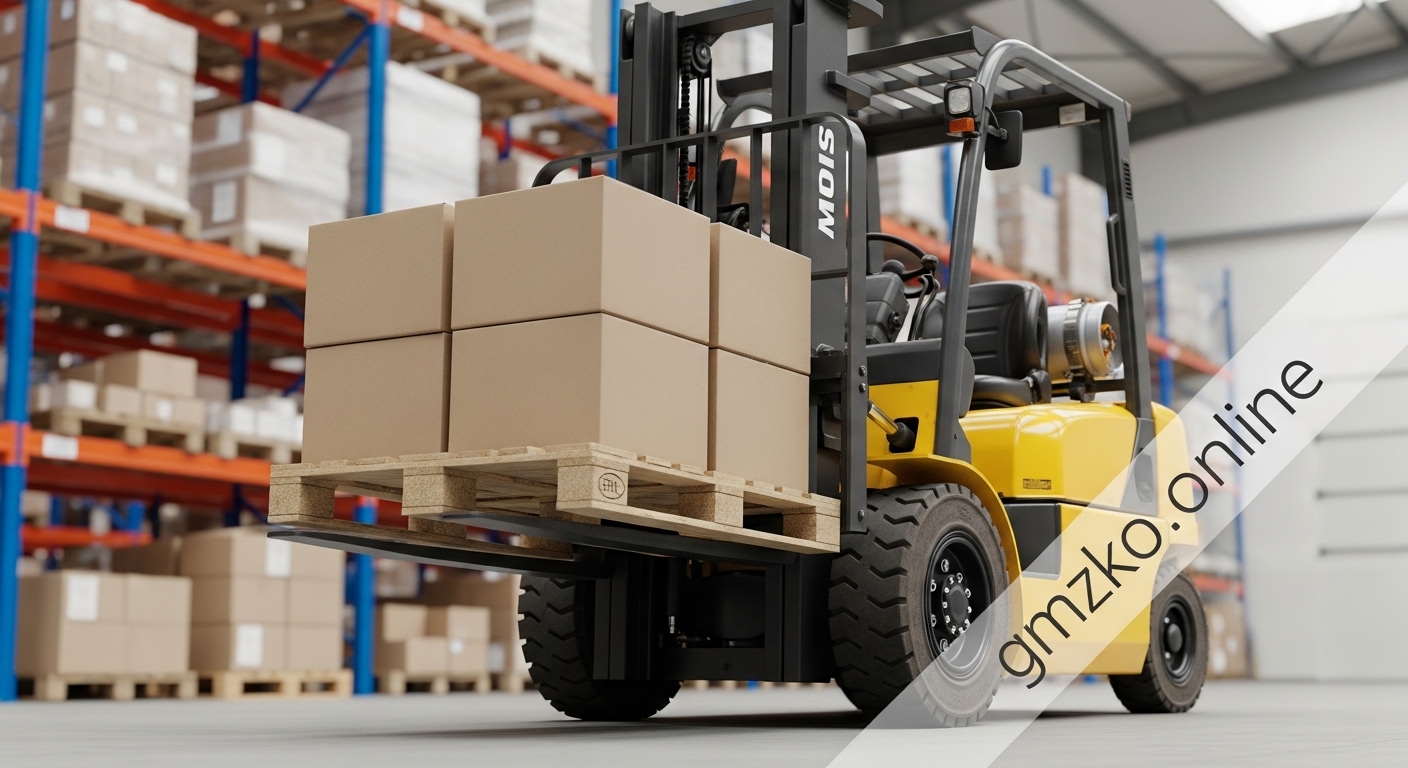
The process known as “forklift lifting forklift” requires strict safety procedures, specialized equipment, and trained operators. Without proper planning, this operation can become extremely dangerous due to the heavy weight and high center of gravity of forklifts.
In this professional guide, we will explain:
-
When forklift lifting forklift operations are necessary
-
The safest methods used by professionals
-
Equipment and capacity considerations
-
Workplace safety rules and regulations
-
Expert tips for minimizing risk
If you’re responsible for warehouse safety, heavy equipment handling, or construction site management, understanding this topic can help prevent costly accidents and equipment damage.
What Does “Forklift Lifting Forklift” Mean?
Forklift lifting forklift refers to a controlled lifting operation where one heavy lifting machine—often a larger forklift, crane, or telehandler—is used to lift or move another forklift.
This type of operation may be required in several situations:
-
Transporting forklifts onto trucks or trailers
-
Recovering a stuck forklift from uneven terrain
-
Maintenance and repair work in workshops
-
Loading forklifts into shipping containers
-
Relocating heavy equipment inside industrial facilities
Because forklifts can weigh anywhere between 3,000 kg and 9,000 kg (6,600–20,000 lbs), lifting one safely requires careful calculation and planning.
Why Forklift Lifting Operations Require Special Attention
Forklifts are not designed to be lifted casually. Their weight distribution, mast structure, and hydraulic systems create challenges during lifting operations.
Key Risks
-
High center of gravity
-
Uneven weight distribution
-
Hydraulic system damage
-
Forklift tipping hazards
-
Operator visibility limitations
Because of these risks, many safety organizations recommend using approved lifting points and proper rigging techniques.
Ignoring these safety rules may lead to:
-
Equipment damage
-
Workplace injuries
-
Costly downtime
-
OSHA safety violations
Common Methods for Lifting a Forklift
Professionals typically use several methods depending on the situation and equipment available.
1. Using a Heavy-Duty Crane
A crane is one of the safest and most common ways to lift a forklift.
Advantages:
-
Excellent lifting capacity
-
Stable vertical lifting motion
-
Precise positioning control
Typical process:
-
Attach certified lifting straps to approved lifting points.
-
Use a spreader bar to distribute weight evenly.
-
Lift slowly while stabilizing the load.
-
Lower the forklift onto the trailer or surface.
This method is often used in construction projects and industrial equipment relocation.
2. Using a Larger Forklift
In some facilities, a higher-capacity forklift may lift a smaller forklift.
However, this method requires strict safety precautions.
Key requirements:
-
Lifting capacity must exceed the forklift weight.
-
Fork extensions may be required.
-
Load must be secured with straps or chains.
Operators must avoid sudden movements that could destabilize the load.
3. Using a Telehandler
Telehandlers are commonly used on construction sites because they combine forklift capability with crane-like reach.
Benefits include:
-
Extended lifting reach
-
Better maneuverability on rough terrain
-
Higher lifting capacity compared to standard forklifts
Telehandlers are particularly useful for equipment recovery operations.
Important Weight and Capacity Considerations
Before attempting forklift lifting forklift operations, you must verify several technical specifications.
1. Forklift Weight
Different forklifts vary widely in weight.
Typical ranges:
-
Small warehouse forklifts: 3,000 – 5,000 kg
-
Medium forklifts: 5,000 – 7,000 kg
-
Heavy industrial forklifts: 8,000 – 20,000 kg
Always check the manufacturer’s data plate.
2. Lifting Capacity
The lifting machine must have a safe working load (SWL) greater than the forklift weight.
Experts recommend maintaining a 20–30% safety margin.
Example:
If a forklift weighs 4,000 kg, the lifting equipment should handle at least 5,000 kg.
3. Approved Lifting Points
Most forklifts include designated lifting points on the frame.
These are typically located:
-
On the overhead guard
-
At the counterweight section
-
Near the mast structure
Using improper attachment points can damage the machine.
Safety Rules for Forklift Lifting Forklift Operations
Professional safety standards should always be followed.
Essential Safety Guidelines
-
Only trained operators should perform the lift
-
Inspect lifting straps and chains before use
-
Keep all workers clear of the lifting area
-
Lift slowly and maintain stability
-
Use a spotter to guide the operation
-
Avoid lifting in strong winds or unstable ground conditions
Following these rules significantly reduces workplace risk.
Step-by-Step Forklift Lifting Procedure
A professional lifting procedure usually includes the following steps.
Step 1: Site Inspection
Check for:
-
Ground stability
-
Obstructions
-
Adequate lifting clearance
Step 2: Equipment Inspection
Inspect:
-
Lifting straps
-
Hooks and shackles
-
Fork extensions
-
Hydraulic systems
Step 3: Secure Rigging
Attach lifting straps to the forklift’s approved lifting points.
Ensure:
-
Balanced load distribution
-
No twisting of straps
-
Secure locking mechanisms
Step 4: Controlled Lifting
Lift the forklift slowly while monitoring balance.
A spotter should confirm:
-
Load stability
-
Clearance from obstacles
Step 5: Safe Placement
Lower the forklift gently onto the target surface.
Never drop or slide the equipment.
Cost Considerations for Forklift Lifting Services
Many companies hire professional heavy equipment movers for these operations.
Typical service costs depend on:
-
Forklift weight
-
Lifting method
-
Distance of relocation
-
Crane or telehandler rental fees
Estimated price ranges:
| Service Type | Estimated Cost |
|---|---|
| Crane lifting service | $300 – $1200 |
| Equipment relocation | $500 – $2000 |
| Heavy machinery rigging | $1000+ |
Hiring professionals is often more cost-effective than risking equipment damage.
Best Practices Used by Industry Professionals
Experienced operators follow several best practices to ensure safe lifting operations.
Expert Recommendations
-
Always plan the lift before starting
-
Use certified rigging equipment
-
Maintain clear communication between workers
-
Document lifting procedures for safety compliance
-
Conduct post-lift inspections
These practices help maintain industrial safety standards and equipment longevity.
The forklift lifting forklift operation is a specialized task that requires careful planning, proper equipment, and strict adherence to safety standards. Because forklifts are heavy machines with complex weight distribution, lifting them improperly can lead to serious accidents or costly equipment damage.
By following professional lifting procedures, verifying equipment capacity, and using certified rigging methods, businesses can safely perform forklift lifting operations when necessary.
Whether you’re managing a warehouse, construction site, or industrial facility, prioritizing workplace safety and professional handling techniques will always protect both workers and valuable equipment.
FAQ
1. Can a forklift lift another forklift safely?
Yes, but only if the lifting forklift has sufficient capacity and the operation follows proper safety procedures with secure rigging and trained operators.
2. What is the safest way to lift a forklift?
Using a crane with certified lifting straps and approved lifting points is generally considered the safest method.
3. How heavy is a typical forklift?
Most forklifts weigh between 3,000 kg and 9,000 kg, depending on the model and lifting capacity.
4. Is forklift lifting regulated by safety authorities?
Yes. Workplace safety organizations such as OSHA provide regulations and guidelines for safe lifting and material handling operations.
5. Should companies hire professional rigging services?
For heavy or complex lifting tasks, hiring professional rigging or machinery moving services is highly recommended to ensure safety and compliance.